
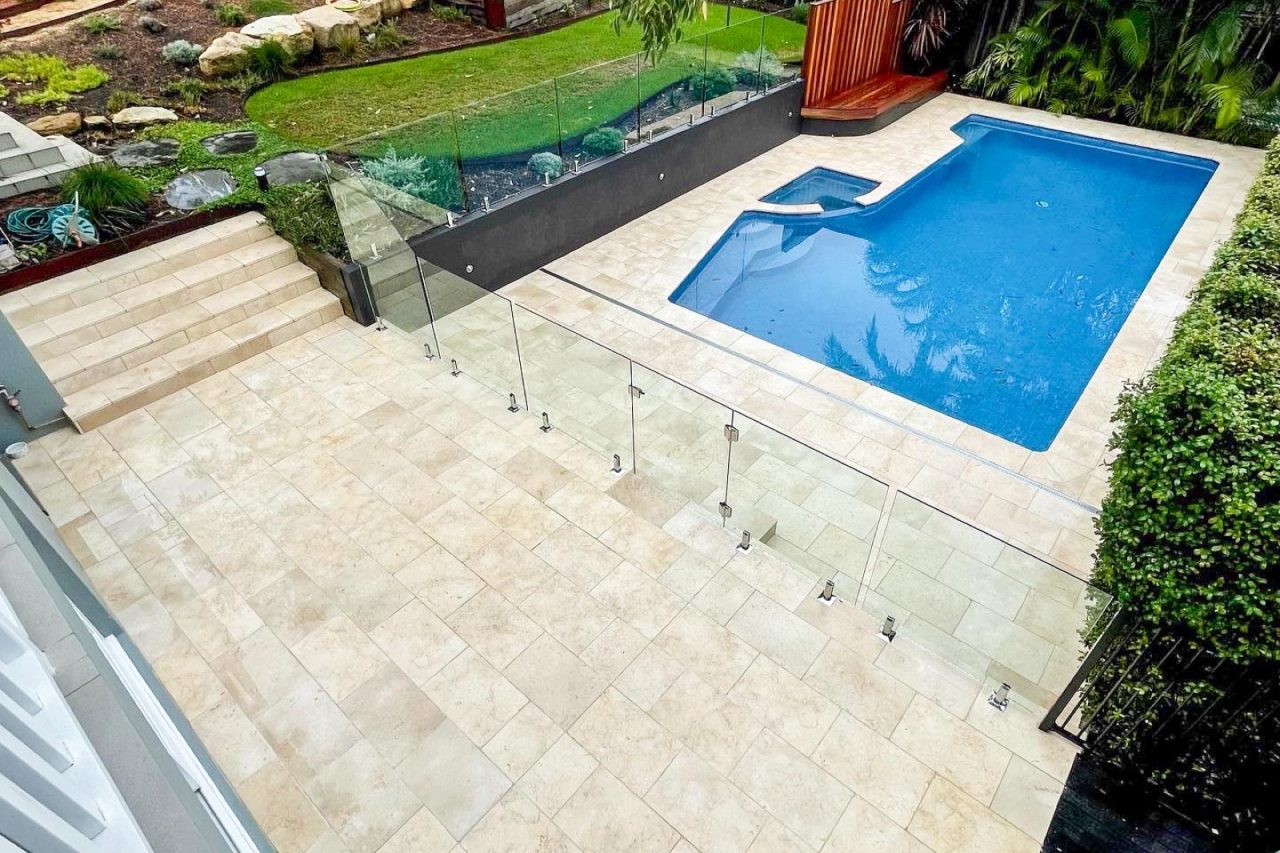
So, you’ve finally decided to give your North Shore home or outdoor space a fresh new look with some paving? Great choice! Paving isn’t just about slapping some stones on the ground — it’s about crafting a durable, stylish surface that suits your lifestyle and elevates your space. Think of it as the perfect foundation to your outdoor entertaining, kids’ play area, or that sleek driveway everyone will envy.
But before you get knee-deep in mortar, there are a few essential things you’ll want to tick off your list. Without the right prep, even the fanciest paving can end up looking patchy, uneven, or worse, cause headaches with local authorities. Trust me, I’ve seen it all.
So let me take you through what you really need to know before you start paving in North Shore — from understanding local regulations to choosing the right materials and everything in between. Ready? Let’s dive in.
Know Your Local Rules and Regulations
Alright, here’s the boring-but-important bit. North Shore is a beautiful place with lots of heritage homes and delicate environments. That means your paving project has to play by the rules set by local councils — think of it as paving with a purpose, not just style.
What rules are we talking about?
- Permits: Most councils require permits if you’re paving beyond a certain size (often around 10-20 square metres). This is especially true if your paving affects drainage patterns or is close to boundaries with neighbours. Without a permit, you risk fines and might have to tear it all up.
- Drainage and Stormwater: Paving changes how water flows on your property. If the council thinks your paving might cause flooding or direct water onto someone else’s land, you’ll need approval to ensure your design includes proper drainage solutions.
- Environmental Restrictions: If your property is near bushland or protected areas, you might face extra hurdles. For example, councils sometimes restrict impervious surfaces (like concrete) to protect local wildlife and reduce urban heat.
- Heritage Listings: Some North Shore areas have heritage overlays, meaning your paving design needs to respect historical aesthetics. This could limit your material or style choices.
What should you do?
Start by chatting with your local council’s planning department or check their website. To make this easier, use the NSW Government’s Planning Portal — it’s an excellent hub for all things related to permits, zoning, and local regulations. The earlier you do this, the smoother your project will go. Believe me, waiting until after you’ve bought your materials to find out you need approval is a nightmare.
Some paving contractors include permit help in their quotes. If yours doesn’t, it might be worth hiring a consultant to guide you.
Choose the Right Materials for North Shore’s Climate and Style
You don’t want your paving looking tired and cracked after a few years, right? Choosing the right material for North Shore’s climate, soil type, and aesthetic is crucial. Lucky for you, North Shore enjoys a relatively mild climate, but you still need to consider rain, sun exposure, and foot or vehicle traffic.
Material breakdown with pros and cons — and what suits your needs best:
| Material | Pros | Cons | Best For |
|---|---|---|---|
| Concrete Pavers | Cost-effective, available in many shapes & colours, easy to install | Can crack if base isn’t properly prepared, colour may fade over time | Driveways, patios, paths, high-traffic areas |
| Natural Stone | Timeless beauty, strong and durable, unique textures | More expensive, requires sealing and occasional maintenance | Feature garden areas, alfresco zones, paths |
| Brick Pavers | Classic look, great grip underfoot, very durable | Can become slippery when wet, colour can fade | Traditional homes, walkways, pool surrounds |
| Porcelain Tiles | Sleek modern look, stain-resistant, low maintenance | Slippery when wet unless textured, pricier | Outdoor entertaining, patios, balconies |
How to decide?
- Think about usage — will it be mostly for foot traffic, kids running around, or heavy vehicles? Concrete’s strong but natural stone adds wow factor for entertaining areas.
- Consider maintenance — some materials need sealing, others can be pressure-washed easily.
- And of course, your style — do you want rustic charm or a sleek, modern finish?
Many local suppliers in North Shore can show you samples and help with colour matching — don’t skip that step. Seeing and feeling the materials in person makes a huge difference.
Prep Like a Pro: What You Need Before Laying Pavers
The real magic happens before the first paver touches the ground. It’s all about the base — a solid, well-prepared foundation means no sinking, shifting, or weed explosions later.
Here’s the detailed prep process you should expect or plan for:
- Clear and Excavate: Remove all vegetation, topsoil, roots, and debris from the area. This isn’t glamorous but essential — any organic material left behind will decompose and cause the surface to move.
- Subgrade Preparation: The exposed soil needs to be compacted and levelled. In North Shore, clay soils can swell or shrink, so this step is vital to prevent future cracks.
- Drainage Considerations: Make sure the area slopes away from buildings and neighbouring properties — generally, a 1-2% fall is ideal (that’s about 1-2cm drop per metre). This helps water drain naturally and avoids puddles.
- Lay a Base Layer: Usually crushed rock or gravel, compacted in layers to create a stable platform. This layer absorbs movement and prevents settling.
- Sand Bedding: A fine layer of sharp sand is spread on top and levelled to create a smooth surface for the pavers to sit on. It fills gaps and locks the pavers in place.
- Edge Restraints: Concrete or plastic edging installed around the perimeter keeps your pavers from spreading out over time.
Skipping any of these steps can lead to uneven surfaces, pavers popping out, or weeds sneaking through. So, don’t cut corners here — your future self will thank you.

Budgeting Your Paving Project: What to Expect
Paving isn’t cheap, but it’s a worthy investment that can boost your property value and lifestyle. Being clear on costs upfront helps you plan realistically and avoid surprises.
Here’s a more detailed breakdown of typical costs in North Shore:
| Cost Factor | Approximate Price (AUD) | Notes |
|---|---|---|
| Materials | $30 – $150 per sqm | Depends on choice & quality |
| Labour | $50 – $100 per sqm | More complex jobs cost more |
| Excavation & Prep | $10 – $30 per sqm | Soil type and site condition affect price |
| Council Permits | $200 – $600 | Can vary widely depending on council |
| Additional Features | Variable | Lighting, edging, drainage systems |
| Design Services | $500 – $2,000 (optional) | If you want a professional landscape design |
Money-saving tip: Bundle your paving with other landscaping projects — suppliers and contractors often offer discounts for bigger jobs.
Trending Paving Styles in North Shore
North Shore’s young professionals are all about making their outdoor spaces Instagram-worthy while keeping things practical.
Here are some hot trends you might want to consider:
- Geometric Patterns: Hexagons, chevrons, and other shapes add architectural interest and a modern edge. It’s like paving, but make it art.
- Mixed Materials: Combining timber decking with stone or concrete pavers creates texture contrast and zones — perfect for an outdoor dining area plus lounging spot.
- Permeable Pavers: Eco-friendly and stylish, these let rainwater seep through, reducing runoff and helping your garden breathe.
- Bold Colours & Textures: Dark greys, terracotta reds, and textured finishes give your paving character without going over the top.
- Large Format Tiles: These big slabs reduce grout lines and offer a sleek, minimalist look, great for contemporary homes.
Tips to Work Smoothly with Your Paving Contractor
Finding a good contractor is like dating — trust, communication, and shared expectations make all the difference.
- Get Multiple Quotes: Don’t rush. Compare pricing but also check what’s included. Cheapest isn’t always best.
- Check Reviews and Portfolios: Ask for examples of similar projects and read reviews on platforms like Google or Hipages.
- Clarify Scope and Timeline: Make sure you and the contractor agree on what’s included, job duration, and payment schedule.
- Ask About Permits: A good contractor will help with council approvals or at least guide you through the process.
- Stay Involved: Regular site visits or updates mean no surprises. It’s your space after all!
If you approach the project like a pro, you’ll avoid common pitfalls and enjoy your paving journey.
Conclusion
Paving your North Shore property can be a game-changer — turning underused corners into stylish patios, creating safe play areas, or boosting curb appeal with a standout driveway. But as you’ve seen, it’s more than just picking stones and stacking them.
From understanding council regulations to choosing materials that withstand local weather, and nailing that perfect base prep, knowing what’s ahead will save you time, money, and stress. Plus, you get a result you’ll love for years.
Ready to start your paving project? Don’t hesitate to reach out to local experts who know North Shore inside out. Whether it’s design advice, sourcing materials, or handling permits, the right help makes all the difference.
Got questions or paving stories? Drop a comment below—I’m keen to hear what you’re planning or share more insider tips!
FAQs: Paving North Shore
-
Do I need council approval for paving in North Shore?
If your paving project is over a certain size or changes drainage flow, yes, council approval is usually required. Always check with your local council before starting.
-
How long does paving last?
Properly installed and maintained paving can last 20+ years. Material choice, base prep, and local conditions all impact longevity.
-
Can I lay paving myself or should I hire a pro?
Small patios or paths can be DIY-friendly if you’re handy, but large or sloped areas benefit greatly from a professional to avoid costly mistakes.
-
What about eco-friendly paving options?
Permeable pavers and gravel allow water to soak through, reducing runoff and improving sustainability. These options are gaining popularity in North Shore.