Landscaping is a great way to enhance the beauty and functionality of your outdoor space. However, regarding this approach, there are two main categories to consider: hardscaping and softscaping.
While these two concepts may sound similar, they have some distinct differences that are important to understand. Here are the following distinctions between hardscaping and softscaping and how they can create a beautiful and functional outdoor space.
Hardscaping
Hardscaping uses non-living elements to enhance the outdoor space, such as patios, walkways, retaining walls, and other structures. Aside from that, these elements are typically made from materials such as concrete, stone, brick, or wood. Hardscaping can also set up a range of outdoor elements, from functional spaces like patios and walkways to decorative elements like fountains and statues.
One of the key benefits of hardscaping is its durability since its elements are designed to withstand the elements and can last for years with minimal maintenance. Hardscaping can also add value to your home, constructing a functional and attractive outdoor space that you can enjoy for years.
Softscaping
Softscaping refers to using living elements in landscaping, including plants, flowers, trees, shrubs, and other organic materials. This method adds colour, texture, and depth to the outdoor space, creating a natural and organic feel. Furthermore, it produces a sense of privacy and seclusion, as plants and trees can create natural barriers.
One of the key benefits of softscaping is its versatility. Softscaping elements can establish a range of effects, from adding colour and texture to creating a natural and organic feel. It also develops a sense of flow and continuity throughout the outdoor space, as plants and trees can connect different landscape areas.
However, softscaping elements require ongoing maintenance, including watering, pruning, and fertilising. This is because plants are living organisms that require care and attention to achieve their full potential. Additionally, some plants may require more maintenance than others, depending on the climate and other environmental factors.
The Differences Between Hardscaping and Softscaping
While hardscaping and softscaping may seem similar, the two concepts differ. Regarding hardscaping, the main focus is creating a solid foundation for the garden. Features like paths and walls provide structure and support for plants and other garden elements.
On the other hand, softscaping focuses on creating a beautiful and inviting outdoor space. Hence, you should choose the garden’s plants, trees, and shrubs based on the garden’s size, shape, and colour. These living elements can contribute texture and contrast to the landscape and provide a habitat for wildlife.
How Hardscaping and Softscaping Work Together
When designing a landscape, hardscaping and softscaping should be used in combination with one another for the best results. Hardscaping can provide structure and stability, while softscaping can bring vibrancy and warmth.
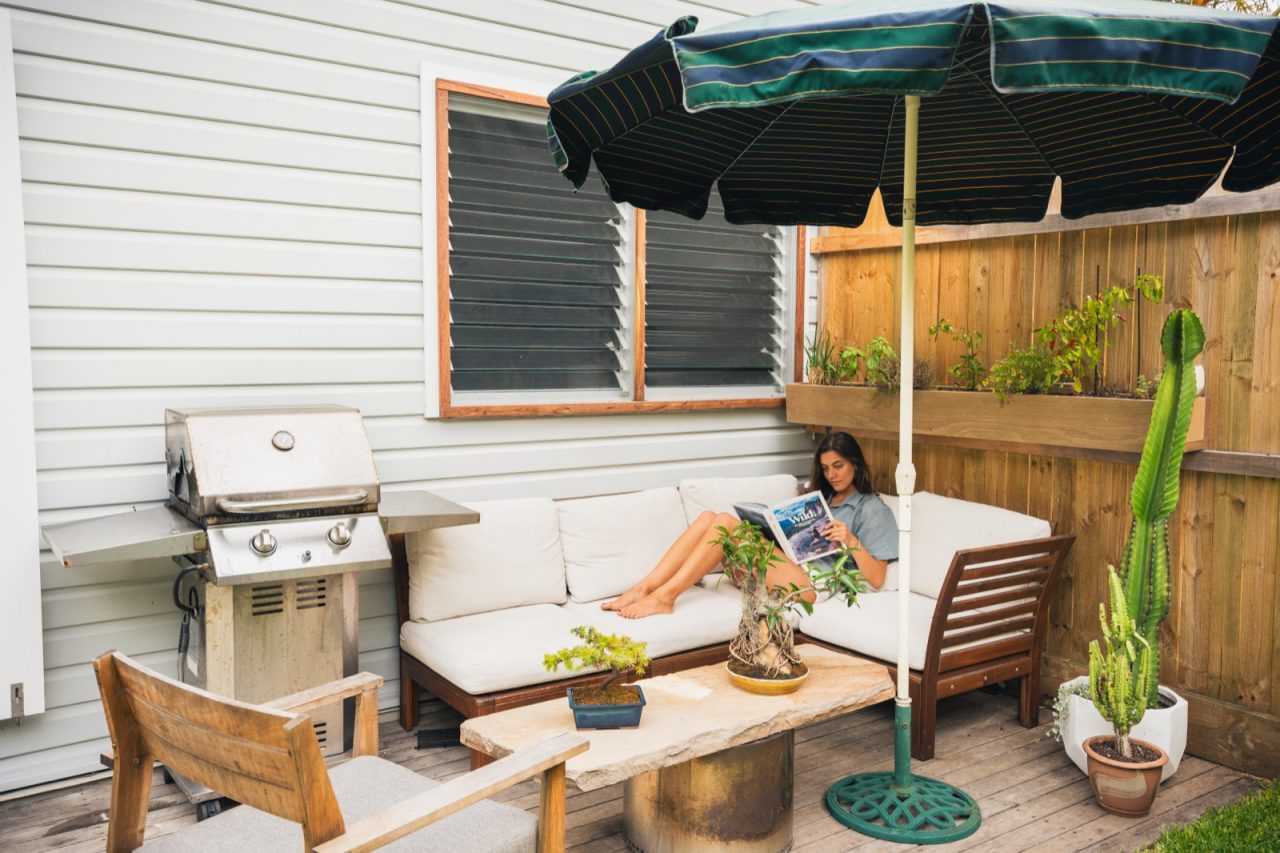
Together, the two elements bring a sense of balance and harmony to the landscape. For example, a patio made from stone or concrete can provide a functional space for outdoor entertaining, while softscaping elements like plants and trees can add colour and texture to the space.
Conclusion
Hardscaping and softscaping are two distinct concepts in landscaping that can work together to create a beautiful and functional outdoor space. Both methods can add value and functionality to your outdoor space and can be used in various ways to create a customised and unique look. By understanding the differences between them, you can create a landscape that is both aesthetically pleasing and practical.
Mother Nature’s Landscapes provides
landscaping solutions in Mona Vale to ensure your outdoor space is perfectly designed. Our expert team can help you create a space
that reflects your personality while being functional and beautiful. Contact us today!