
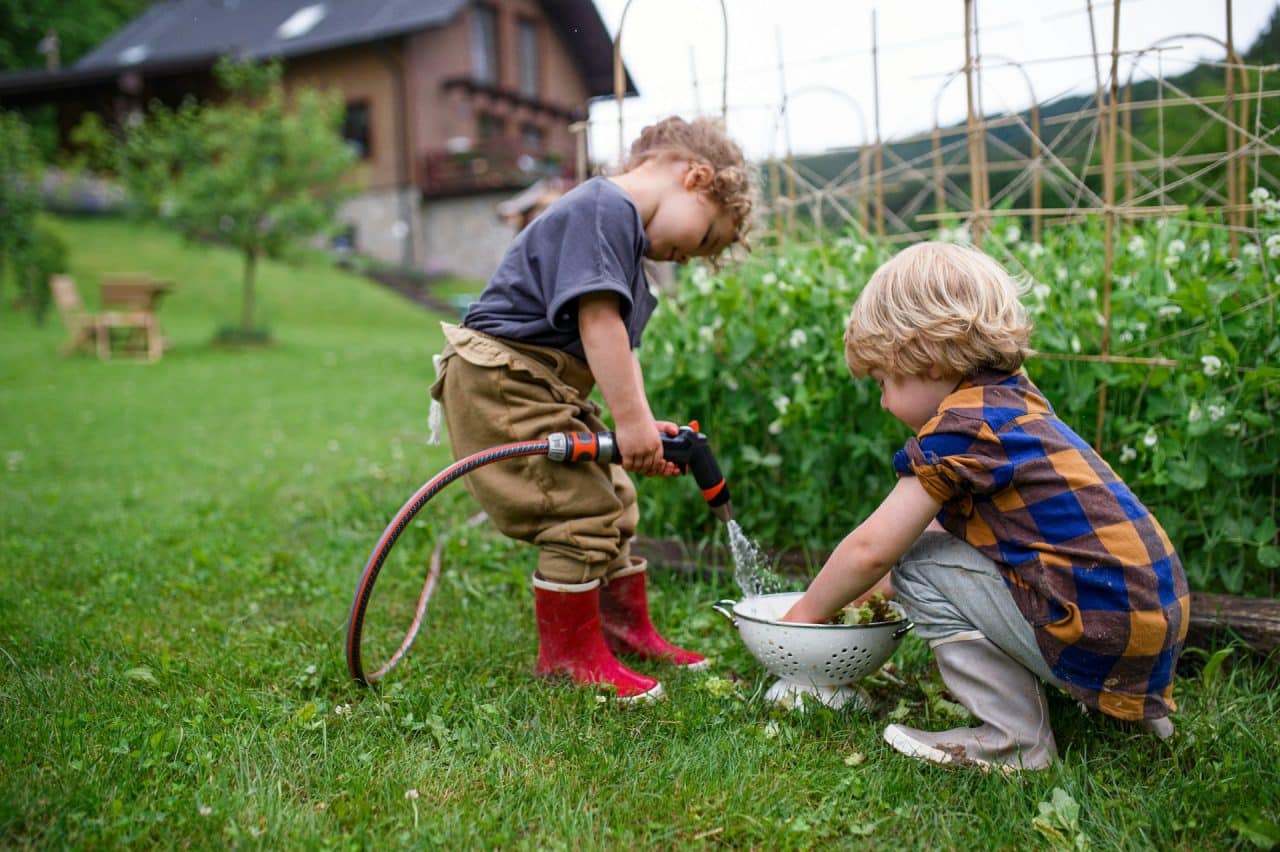
Gardening can be a wonderful way to spend time with children and encourage their love for nature. Creating a kid-friendly garden in the Northern Beaches is all about combining safety, fun, and learning opportunities. A well-planned garden can provide endless hours of entertainment and education for your little ones while also being a beautiful space for the whole family to enjoy. With the right planning and creativity, you can transform your garden into a magical place where kids can learn, play, and grow.
1. Safe and Engaging Spaces for Kids
Importance of Child Safety in Garden Design
Child safety should be the top priority when creating a kid-friendly garden. This means choosing materials and plants that won’t harm your little ones and designing the garden to prevent accidents. Avoid sharp edges on garden furniture and ensure pathways and play areas are free from trip hazards. Regularly check the garden for any potential dangers, such as loose paving stones or protruding roots that might cause trips and falls.
Creating Zones for Different Activities
Creating different zones in your garden allows kids to explore various activities safely. You can designate areas for active play, quiet relaxation, and hands-on gardening. For active play, include open spaces where kids can run around or set up a sandpit or trampoline. A quiet corner with comfy chairs or a small tent can be perfect for reading or observing nature. Hands-on gardening zones with raised beds are great for teaching kids about plants and nature, giving them a space to dig, plant, and water.
Safe Materials and Structures
When building garden structures, choose materials that are safe and durable. Natural materials like untreated wood can prevent exposure to harmful chemicals. Ensure any garden structures, like climbing frames or sandpits, are securely built and stable. Soft surfaces, such as grass or rubber mulch, can cushion falls and make play safer. Avoid using toxic plants and opt for plants that are non-toxic and kid-friendly.
2. Choosing Kid-Friendly Plants
Non-Toxic and Safe Plants for Children
Choosing plants that are safe for children is essential. Some common garden plants can be toxic if ingested, so it’s crucial to avoid these. Safe, non-toxic options include sunflowers, marigolds, and snapdragons. These are not just safe but also colourful and fun for kids to interact with. Always educate children about which plants are safe to touch and remind them never to eat anything from the garden without adult supervision.
Sensory Plants to Stimulate Young Minds
Engaging children’s senses can make the garden a more magical place. Include sensory plants that offer different textures, scents, and colours. Lamb’s ear is a soft, furry plant that’s great for touch. Lavender and mint provide pleasant fragrances that can calm or invigorate. Brightly coloured flowers like petunias and geraniums can captivate young eyes, making the garden a more stimulating environment.
Easy-to-Grow Plants for Hands-On Gardening
Introducing kids to gardening can be exciting with easy-to-grow plants. Choose hardy and quick-growing plants such as cherry tomatoes, radishes, and sunflowers. These plants can show results quickly, maintaining the children’s interest and teaching them patience and responsibility. Herbs like basil and parsley are also great choices; they grow fast and can be used in family meals, making the gardening experience more rewarding for kids.
3. Incorporating Play Elements
Ideas for Natural Play Areas
Natural play areas can be a fantastic addition to a kid-friendly garden. These spaces encourage imaginative play and exploration. You can create a small forest area using native trees and shrubs where kids can build forts or play hide-and-seek. A mud kitchen made from recycled materials can provide endless fun as children concoct mud pies and other “delicious” treats. Adding stepping stones or a log path can create a sense of adventure and help improve balance and coordination.
Building Garden Features Like Sandpits and Climbing Structures
Features like sandpits and climbing structures can turn your garden into a playground. Sandpits can be easily made with treated timber or bricks and filled with soft, clean sand. Placing it in a shaded area can protect kids from the harsh sun. Climbing structures can include simple things like climbing walls made from sturdy planks, or you can repurpose old tyres for an exciting climb. Always ensure these structures are anchored securely and are age-appropriate to prevent accidents.
Integrating Paths and Mazes for Exploration
Adding paths and mazes in the garden can add an element of fun exploration. Paths made from different materials like gravel, woodchips, or pavers can lead kids to mini-adventures around the garden. Creating a small maze with low hedges or flower beds can provide endless hours of fun as children find their way through. These paths also guide movement, keeping active play in designated areas and reducing the wear on other parts of the garden.
4. Educational and Interactive Features
Setting Up a Mini Vegetable Garden
A mini vegetable garden is an excellent way to teach kids about where food comes from and the importance of growing their own produce. Choose a sunny spot in the garden and start with easy-to-grow veggies like cherry tomatoes, lettuce, and carrots. This project can teach children about responsibility as they care for the plants and watch them grow. It’s also a great way to encourage healthy eating habits.
Creating Wildlife Habitats
Creating a space for local wildlife can make your garden even more magical. Installing bird baths, birdhouses, and bug hotels can attract a variety of wildlife. Planting native flowers and shrubs provides food and shelter for birds, bees, and butterflies. Watching and learning about these creatures can be an exciting and educational experience for kids. Plus, it helps instil a sense of environmental stewardship.
Fun DIY Garden Projects for Kids
DIY garden projects can be lots of fun and educational. Simple projects like painting pots, making wind chimes, or creating colourful garden signs can give kids a sense of ownership and creativity. Building a worm farm or compost bin together can teach them about recycling and how organic waste can help feed the garden. Involving children in these projects keeps them engaged and helps them learn about sustainability and teamwork.
Conclusion
Creating a kid-friendly garden on Northern Beaches can be a rewarding project that brings the family together. By focusing on safety, choosing the right plants, incorporating fun play elements, and adding educational features, you can design a garden that is both enjoyable and enriching for your children. These spaces not only foster a love for nature but also provide endless opportunities for learning and growth.
If you need help transforming your garden into a safe and fun haven for your kids, contact us at Mother Nature’s Landscapes today. Our landscaping services in North Shore can help you create beautiful, functional outdoor spaces tailored to your family’s needs. Let’s make your garden a place where wonderful memories are made!