
Living by the beach comes with breathtaking views, but it also brings unique challenges for gardeners, particularly dealing with erosion. Coastal gardens face the constant battle of wind, water, and sand working together to wear away the landscape. This not only affects the garden’s appearance but also the health of your plants and soil.
Recognising and addressing erosion is crucial to maintaining a healthy beachside garden. By understanding the causes and signs of erosion, such as exposed roots or displaced soil, you can take proactive steps to protect your garden. Implementing techniques like planting native vegetation and building retaining walls helps stabilise the soil and reduce erosion.
A well-designed garden can thrive even in challenging conditions by using erosion control measures. Embracing smart landscape design, from creating drainage solutions to selecting drought-resistant plants, ensures your garden remains beautiful and sustainable despite the coastal elements.
Understanding Erosion in Coastal Gardens
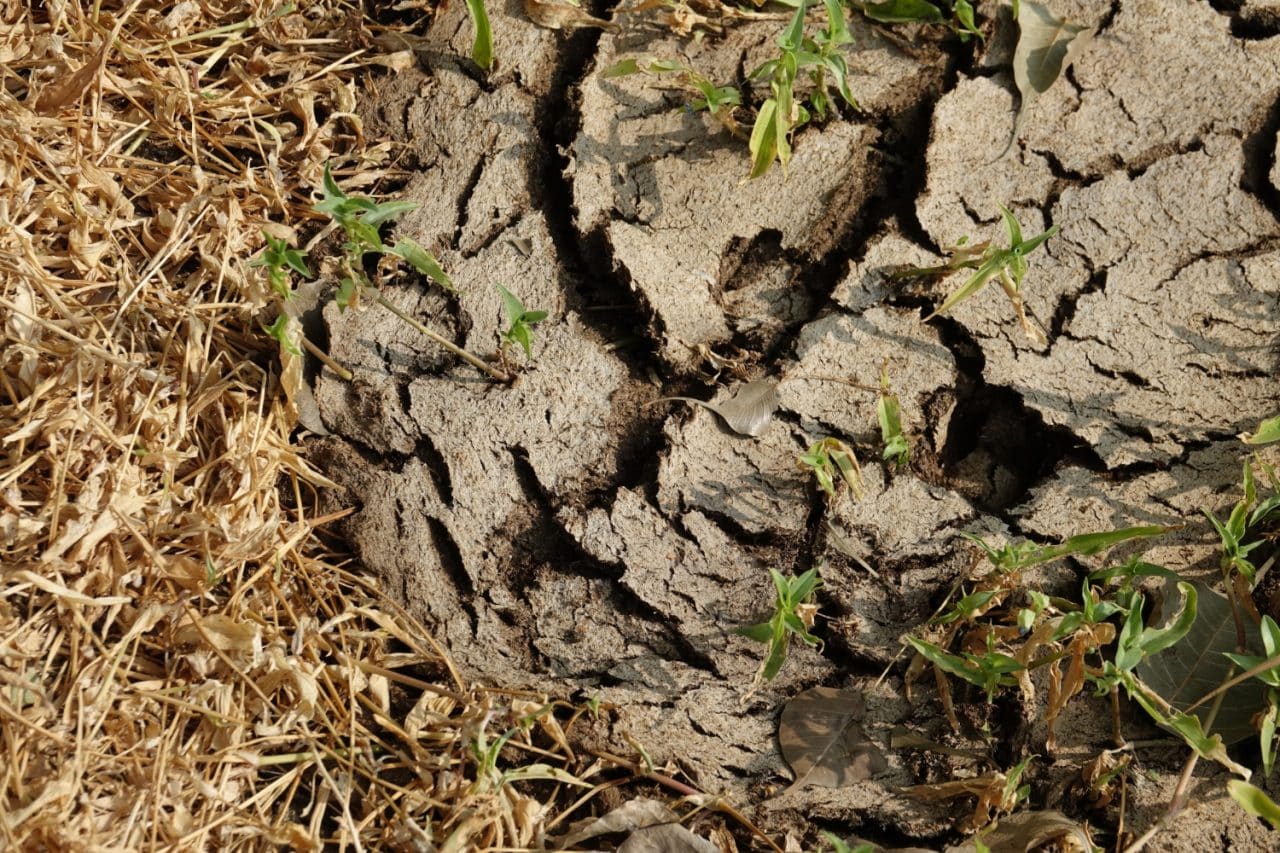
Gardening in coastal areas can be a delightful experience, but it’s not without its challenges, particularly erosion. Erosion in beachside environments happens because of wind, rain, and the sea’s proximity. These natural forces can gradually wear down the soil and the land. Coastal winds often carry away loose topsoil, while heavy rains and waves erode garden beds, exposing plant roots and causing instability.
Erosion significantly impacts the health of your plants and soil. With topsoil loss, essential nutrients wash away, leaving the soil depleted. Plants can suffer from damaged root systems, decreased nutrient availability, and reduced growth. Moreover, eroded soil usually compacts over time, making it less hospitable for new plantings.
Watching for erosion signs in your garden is crucial for early intervention. Look out for uneven ground surfaces, roots becoming exposed, or small gullies forming in the soil. Patches of discoloured or bare soil can also indicate erosion. Keeping an eye out for these indicators allows you to take action before erosion causes major problems, preserving your garden’s beauty and vitality.
Implementing Erosion Control Techniques
To protect your coastal garden from erosion, utilise a variety of techniques designed for stabilisation and soil preservation. Planting native vegetation is a natural way to stabilise the soil. Deep-rooted plants can hold the soil in place, reducing the likelihood of it being washed or blown away. Native plants are adapted to the local climate and soil conditions, requiring less maintenance while providing effective erosion control.
Constructing retaining walls and terraces is another excellent method to combat erosion. These structures help hold soil in place and create flat planting areas on sloped land. Retaining walls can be built using stone, wood, or concrete, each offering both functional and aesthetic benefits.
Incorporate mulch and ground cover plants to further defend against erosion. Mulch not only provides a protective layer over the soil, maintaining moisture and reducing evaporation, but it also shields the soil from direct impact by raindrops. Ground cover plants spread quickly and create a living barrier against soil erosion, enhancing soil stability.
By implementing these strategies, you fortify your garden against erosion’s challenges, ensuring a vibrant and sustainable coastal landscape.
Designing a Water-Wise Garden
When creating a garden in a coastal area, being water-wise is essential. Effective drainage solutions play a key role in preventing excess water from causing erosion or waterlogging your plants. Implementing drainage systems like French drains or ensuring natural slopes direct water away from sensitive areas can significantly enhance your garden’s resilience.
Rain gardens and swales can be effective tools for water management in your garden. Rain gardens are designed to collect runoff from roofs and paved surfaces, allowing water to be absorbed slowly into the ground. Similarly, swales are shallow, sloped ditches that help capture and redirect rainwater, both preventing flooding and gradually recharging groundwater. These features do not just manage water effectively, but they also add an interesting visual dynamic to your landscape.
Selecting drought-resistant plants is crucial in coastal areas where the balance between too much and too little water can be tricky. Opt for species that thrive with natural precipitation and require minimal supplementary watering. Native succulents, lavender, and ornamental grasses are excellent choices, offering beauty and resilience. A well-designed water-wise garden not only conserves water but also withstands the changing conditions typical of coastal environments.
Maintaining Your Erosion-Proof Garden
Once you’ve designed a garden that’s resistant to erosion, keeping it in top shape requires regular maintenance. Regular inspections are key to spotting problems early, such as cracks in retaining walls or exposed plant roots, which can develop into larger issues if left unattended.
Adapting to seasonal changes is also important. During wetter months, ensure your drainage systems are functioning properly and clear of debris. In drier periods, focus on maintaining soil moisture by applying mulch generously around plant bases. Mulch not only helps retain moisture but also prevents erosion by shielding the soil from wind and rain impact.
Regular use of soil amendments can help maintain your garden’s health. Over time, adding compost or organic matter improves soil structure and nutrient content, supporting plant growth and enhancing soil stability. By staying proactive in garden care, you preserve an erosion-resistant landscape that thrives year-round.
Conclusion
Creating an erosion-proof garden in coastal areas requires thoughtful planning and ongoing care. By understanding the conditions that lead to erosion, utilising native plants, and integrating effective water management techniques, you can cultivate a landscape that stands the test of time.
Well-placed drainage systems, together with erosion control structures and strategies, form a robust garden layout that works harmoniously with nature’s ebb and flow. With regular inspections and seasonal adjustments, your garden will remain a vibrant, sustainable space that enhances your outdoor living experience.
Transforming your coastal garden into a stunning retreat isn’t just a dream. With the right approach, it’s achievable. At Mother Nature’s Landscapes, we specialise in crafting gardens tailored to the unique challenges and beauty of coastal living. Contact us today to start your garden project and let our landscaping services help you build an environment that blends perfectly with the natural elegance of the Northern Beaches.