
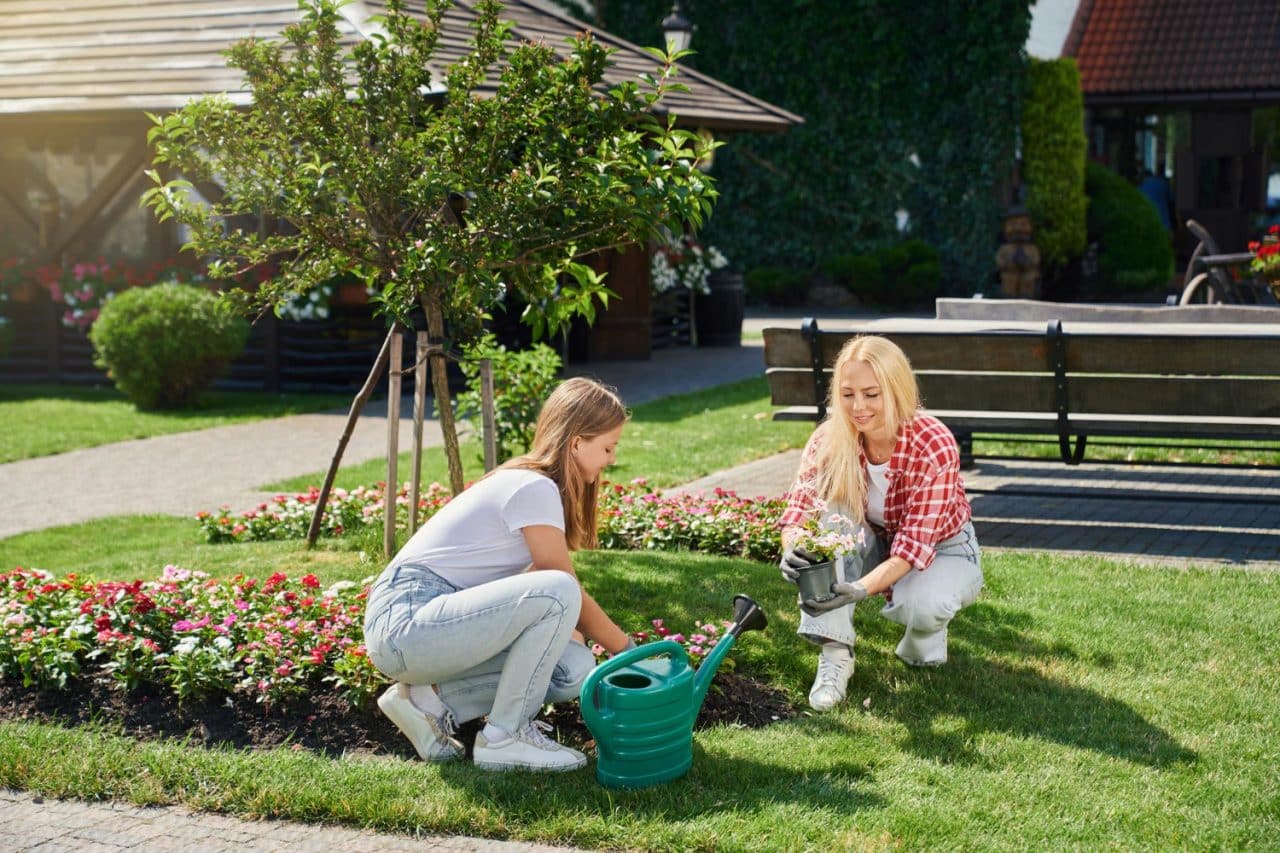
Designing a garden on sandy soil presents unique challenges but can lead to beautiful and sustainable outdoor spaces. Sandy soil is known for its quick drainage and light texture, which can make it tricky for plants that need more moisture and nutrients. However, with the right approach, your sandy garden can flourish and bloom with life.
Understanding the characteristics of sandy soil is crucial for effective garden design. It helps in selecting plants that not only survive but thrive in such conditions. Native and drought-tolerant species are great choices, offering resilience and vibrant beauty. Crafting a plant palette suited to your garden’s specific needs ensures long-lasting growth and visual appeal.
Improving sandy soil involves enriching it with organic matter and exploring creative garden layouts. By incorporating elements like raised beds and pathways, you can enhance both the soil’s quality and your garden’s structure. With mindful planning and a touch of creativity, your garden can be a stunning oasis that harmonises with the natural landscape of the Northern Beaches.
Understanding Sandy Soil Characteristics
Sandy soil is a common feature in many landscapes, especially around coastal regions like the Northern Beaches. This type of soil has distinct properties that can significantly impact gardening efforts. Sandy soil is known for its excellent drainage due to its large particle size, which allows water to flow through quickly. Although this can prevent waterlogging, it also means that sandy soil tends to dry out faster and leaches nutrients, making it less fertile.
One of the key challenges of gardening with sandy soil is maintaining adequate moisture and ensuring plants receive enough nutrients. This soil type lacks the ability to hold onto water and nutrients long-term, which can lead to plant stress, especially during dry spells. Additionally, the texture of sandy soil can make it difficult for roots to establish and anchor themselves securely.
Knowing your soil type is crucial for garden success, as it influences plant selection and soil amendment strategies. Conducting a simple soil test can help determine the proportion of sand in your soil, allowing you to tailor your gardening practices accordingly.
It’s vital to acknowledge these characteristics when planning your garden design. By understanding sandy soil’s strengths and weaknesses, you can choose the right plants and amend your soil to create a vibrant and healthy garden.
Choosing the Right Plants for Sandy Soil
Selecting plants that naturally thrive in sandy soil is the key to a flourishing garden. Focusing on native and drought-tolerant species can significantly improve your chances of success. Native plants are particularly well-suited to local climate conditions and soil types, making them a smart choice.
Some excellent options for sandy soil include:
– Perennials: Plants like lavender and seaside daisies are hardy and can thrive in well-drained conditions.
– Shrubs: Coastal rosemary and grevillea are perfect for adding structure without frequent watering.
– Grasses: Use decorative grasses like lomandra or kangaroo grass for a low-maintenance, textural effect.
When planting in sandy soil, it’s important to consider the specific needs of perennials, shrubs, and grasses. Ensure that you dig sufficiently deep holes and use mulch to help retain moisture at the root level. Also, group plants with similar water and sunlight needs together to make maintenance easier.
Creating a balanced plant palette enhances your garden’s aesthetic appeal while ensuring it functions harmoniously with the environment. Consider combining various foliage textures, heights, and colours to add interest throughout the year. This approach not only beautifies your garden but also attracts diverse wildlife, fostering a dynamic and thriving ecosystem.
Improving Sandy Soil for Better Growth
Improving sandy soil involves enhancing its ability to retain moisture and nutrients, which is crucial for promoting healthy plant growth. One effective way is by enriching the soil with organic matter. Organics such as well-rotted manure, compost, and peat moss can greatly improve the structure of sandy soil, helping it retain water and nutrients longer.
Mulching is another beneficial practice in sandy environments. Applying a thick layer of mulch around plants reduces water evaporation, suppresses weeds, and provides organic matter as it breaks down. Consider using organic mulches like straw, bark, or leaf mulch. These also help insulate root zones from temperature extremes.
Composting plays a vital role in sandy soil management. Regularly adding compost to your garden beds increases the organic content, thereby enhancing the soil’s overall health. Composting kitchen scraps and garden waste is a sustainable way to improve your soil while reducing waste.
To retain moisture and further improve soil health, implement these strategies:
– Regular Watering: Water deeply but infrequently to encourage deep root growth.
– Water-Retaining Crystals: Consider adding water-retaining substances for extra moisture-holding capacity.
– Ground Covers: Plant ground covers to protect soil from erosion and moisture loss.
By attentively improving sandy soil, you create a robust foundation that supports a thriving, vibrant garden.
Creative Garden Layouts for Sandy Landscapes
Creating a beautiful and functional garden in sandy landscapes involves thoughtful design that accounts for the unique characteristics of your soil. Raised beds and rock gardens are excellent solutions for managing drainage issues often associated with sandy soil.
Raised beds help maintain organised planting areas and improve drainage, which is essential for root health. They allow you to optimise soil conditions by filling them with nutrient-rich soil mixes better suited to plant needs. Rock gardens, using stones or boulders, offer a natural way to control runoff and prevent erosion while adding visual appeal.
Pathways and paving can provide structure, guiding foot traffic and reducing soil compaction. Use pavers or stepping stones to define paths while complementing the natural landscape. These walkways not only enhance the garden’s aesthetics but also promote easy access for maintenance.
Efficient water use is paramount, so consider implementing a water-wise irrigation system:
– Drip Irrigation: Delivers water directly to plant roots, minimising evaporation.
– Soaker Hoses: Ensure thorough watering with minimal waste.
– Rainwater Harvesting: Incorporate systems to capture and reuse rainwater.
These creative layout ideas help you manage sandy soil’s challenges while showcasing a stunning garden design that reflects your personal style and the unique beauty of your landscape.
Conclusion
Gardening in sandy soil presents unique challenges, but with thoughtful planning and design, your sandy landscape can be transformed into a thriving and beautiful garden. Understanding your soil’s characteristics, from its drainage and nutrient-holding capacity to its texture, sets the stage for selecting the right plant varieties and implementing effective soil improvement strategies.
Choosing hardy, native plants that are well-suited to sandy conditions is a critical step in ensuring your garden’s success. By enriching the soil with organic materials, employing mulching and composting techniques, and designing the landscape to support sustainable practices, you create a flourishing environment that both enhances your property’s value and offers a welcoming habitat for local wildlife.
Give your garden the care it deserves with creative solutions and expert advice. At Mother Nature’s Landscapes, we specialise in crafting stunning gardens that thrive in sandy soils like those on the Northern Beaches. Let us help you turn your vision into reality with eco-friendly and sustainable garden designs that highlight the natural beauty of your space. Reach out to us today to start your garden transformation journey.