
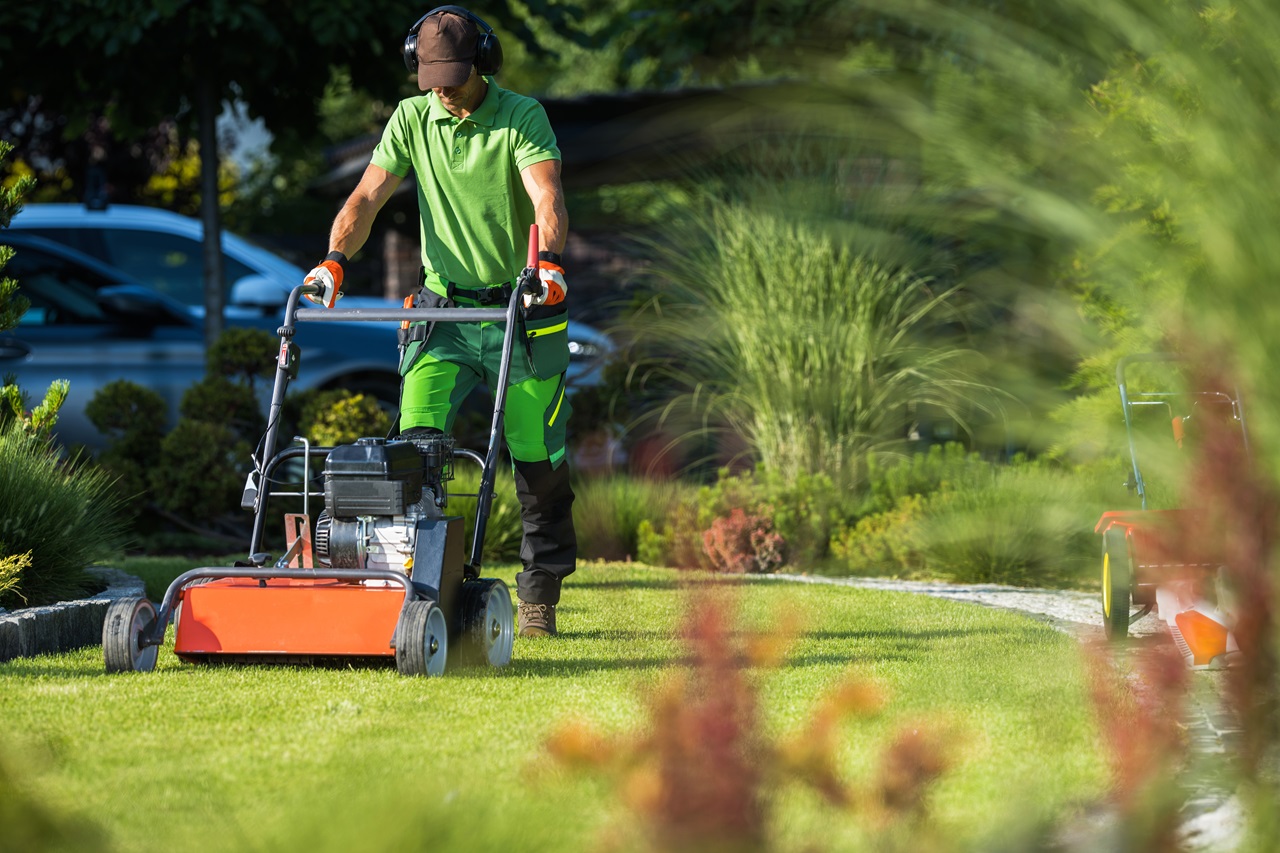
North Shore Lawn Care Guide 2024
Living on the North Shore offers unique challenges and opportunities when it comes to maintaining a lush, green lawn throughout the year. With its specific climate conditions, our lawns require a tailored approach to thrive. Understanding these local nuances is crucial. That’s why we’re here to guide you through mastering the art of lawn care tailored specifically for the North Shore environment.
Understanding the North Shore Climate and Its Impact on Your Lawn
Living on the North Shore means experiencing a climate that can be quite diverse, which directly impacts how we maintain our lawns throughout the year. The North Shore typically sees a temperate climate with warm summers and mild winters, which can be great for various types of grass but also poses unique challenges. High humidity in summer can lead to fungal infections in your lawn, while the mild winters often fail to freeze pests and diseases out of existence.
To keep your lawn looking lush, it’s essential to understand these seasonal variations and prepare for them. For example, during the humid months, it might be necessary to adjust your watering schedule to prevent excess moisture from encouraging fungal growth. Conversely, in cooler months, maintaining a healthy lawn might mean applying a winter fertiliser to promote root development and ensure your grass comes through the winter vibrant and green.
Monthly Lawn Care Schedule: What to Do and When
Maintaining a stunning lawn on the North Shore requires not just effort but timing. Here’s a straightforward monthly guide to keep your lawn in peak condition:
– January: Test the soil’s pH and ensure it’s between 6 and 7.5. This is also a great time for aeration to allow the grassroots to breathe.
– February: Prepare for the end of summer by reducing the frequency of watering as the days start to cool and become shorter.
– March: Start autumn lawn feeding to strengthen the grass before the colder months.
– April: Aerate the soil if not done earlier and reseed any thin areas.
– May: Begin mowing regularly as the grass growth stabilises.
– June: Apply a winter fertiliser to encourage strong roots.
– July: Maintain mowing at a higher height to prevent stress from cold temperatures.
– August: Check for and treat any signs of pests or diseases.
– September: Spring is near, so start increasing watering and prepare for spring feeding.
– October: Dethatch the lawn to remove dead grass and other accumulated organic matter.
– November: Apply summer fertiliser to boost growth during the warmest months.
– Inspect the lawn as part of your routine to end the year by checking for pests or diseases and treating them accordingly.
By following this schedule, you can ensure your lawn not only survives but thrives throughout the changing North Shore seasons.
Top Techniques for Year-Round Greenery: Aeration, Watering, and Fertilising
Keeping your lawn green and healthy all year round requires more than just regular mowing. We focus on three key practices: aeration, proper watering, and regular fertilising. Firstly, aeration is crucial for breaking up compacted soil, allowing oxygen, water, and nutrients to penetrate deeper into the ground and reach the roots. This process should be conducted at least once a year, ideally during the cooler months, to minimise stress on the grass.
Watering practices should be adjusted according to the season and rainfall. During dry spells, it’s vital to water deeply but infrequently to encourage grass roots to grow deeper, searching for moisture and creating a more drought-resistant lawn. As for fertilising, using the right type and amount, depending on the season, is critical. We use a high-nitrogen fertiliser in the spring to kickstart growth, a balanced feed in the summer, and a high-phosphorus mix in the autumn to prepare the grass for winter.
Common Lawn Problems in the North Shore and How to Solve Them
Living on the North Shore, lawns can face various challenges, such as fungal diseases, pest infestations, and nutrient deficiencies. One common issue is brown patches, often caused by fungal diseases like brown patches or dollar spots. To combat these, ensure your lawn is not overwatered and that it’s fertilised correctly to boost its resistance. Insect pests such as lawn grubs can also wreak havoc, eating grass roots and causing the turf to die. Applying an eco-friendly pesticide in the early stages of infestation can help keep these pests in check.
Another frequent problem is weed infestation. Maintaining a healthy grass density is key to preventing weeds since they thrive in sparse lawns. Regular overseeding and correct mowing practices can significantly reduce weed problems. If weeds do appear, targeted spot treatment with an appropriate herbicide may be necessary, always considering the safety of the surrounding environment.
Conclusion
Maintaining a lush, vibrant lawn throughout the year on the North Shore doesn’t have to be a daunting task. With the right knowledge of local climate impacts, a clear monthly care schedule, and top techniques for aeration, watering, and fertilising, you can achieve a healthy yard that’s both beautiful and sustainable. Ensuring your lawn is well-cared for not only enhances the curb appeal of your home but also contributes to a healthier ecosystem.
At Mother Nature’s Landscapes, we are dedicated to providing expert landscaping services that are perfectly tailored to the unique aspects of your Turramurra yard. Our team of local specialists has the expertise and passion necessary to help you achieve the garden of your dreams. Connect with us today and let’s transform your outdoor space into a stunning, sustainable landscape.