
Top 10 Indoor Plants to Brighten Your Home in 2025
Incorporating indoor plants into your living space not only enhances its aesthetic appeal but also promotes a healthier environment. With an array of options available, selecting the right plants can be overwhelming. To assist you, we’ve curated a list of the top 10 indoor plants for 2025, each bringing unique beauty and benefits to your home.
1. Snake Plant (Dracaena trifasciata)
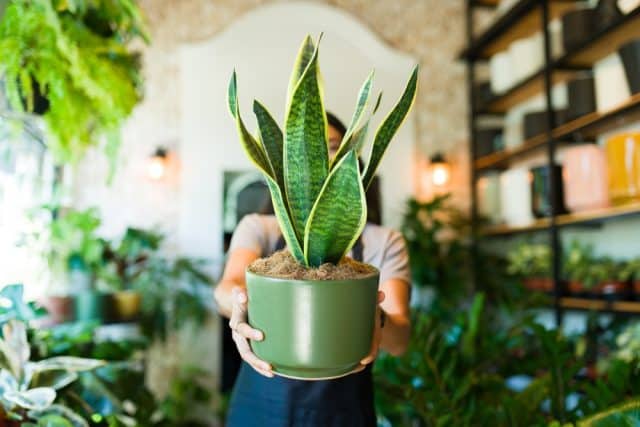
Overview: Also known as mother-in-law’s tongue, the snake plant features sharp, pointy leaves and thrives in low-light conditions. It’s an excellent choice for beginners due to its resilience.
Care Tips:
- Light: Tolerates low to bright indirect light.
- Water: Allow the soil to dry out completely between waterings.
- Benefits: Releases oxygen at night, making it ideal for bedrooms.
2. Peace Lily (Spathiphyllum wallisii)
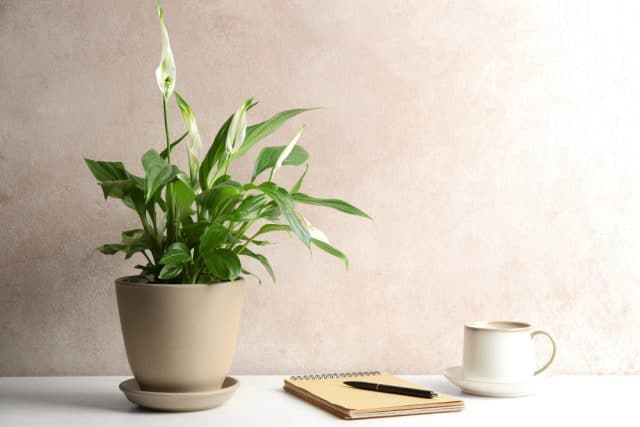
Overview: Known for its dark green glossy leaves and white bracts, the peace lily adds a touch of elegance to any room. It’s also recognized for its air-purifying qualities.
Care Tips:
- Light: Prefers bright, indirect light but can adapt to low-light conditions.
- Water: Keep the soil consistently moist; avoid overwatering.
- Benefits: Increases indoor humidity and purifies the air.
3. ZZ Plant (Zamioculcas zamiifolia)
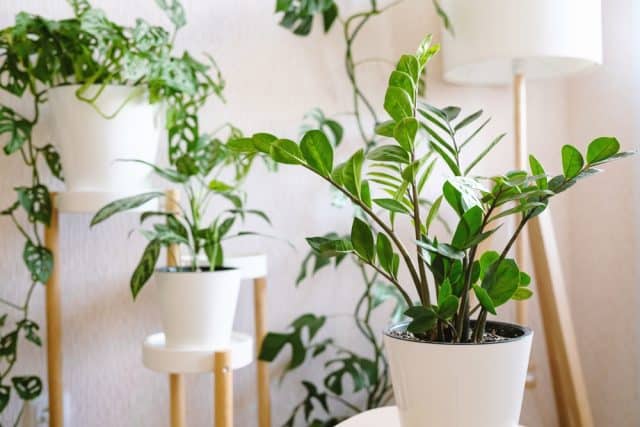
Overview: Featuring glossy, dark green leaves, the ZZ plant is celebrated for its low-maintenance nature and ability to thrive in various lighting conditions.
Care Tips:
- Light: Tolerates low to bright indirect light.
- Water: Water when the soil has dried out; can survive with infrequent watering.
- Benefits: Ideal for office spaces and low-light areas.
4. Fiddle Leaf Fig (Ficus lyrata)
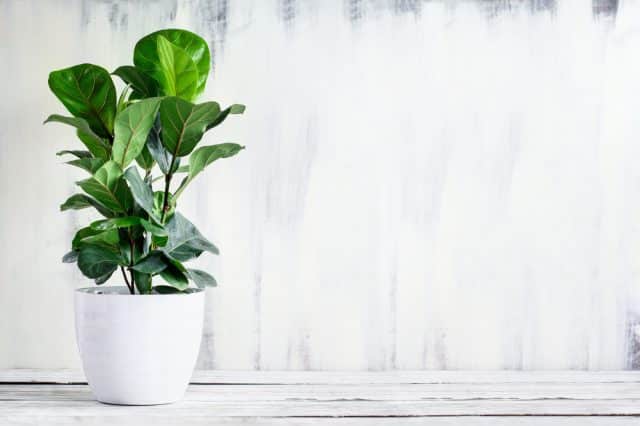
Overview: With its wide, dark green leaves and prominent veining, the fiddle leaf fig makes a bold statement in any room. It’s a favorite among interior designers.
Care Tips:
- Light: Thrives in bright, indirect light.
- Water: Water when the top inch of soil is dry; avoid overwatering.
- Benefits: Enhances interior aesthetics with its striking appearance.
5. Pothos (Epipremnum aureum)
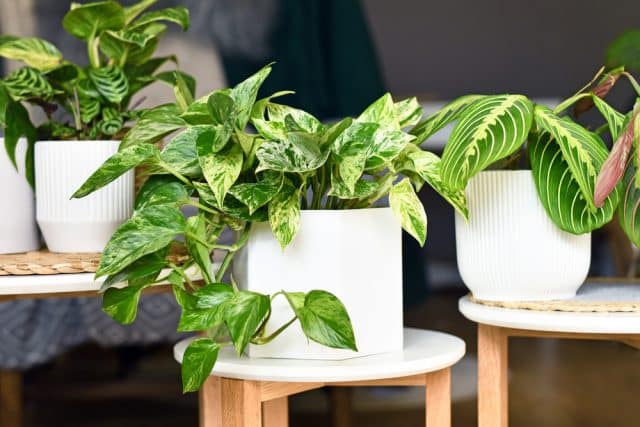
Overview: A vining plant with waxy, heart-shaped leaves, pothos is versatile and easy to care for, making it a popular choice for many households.
Care Tips:
- Light: Adaptable to low-light conditions but thrives in bright, indirect light.
- Water: Allow the soil to dry out between waterings.
- Benefits: Excellent for purifying indoor air.
6. Spider Plant (Chlorophytum comosum)
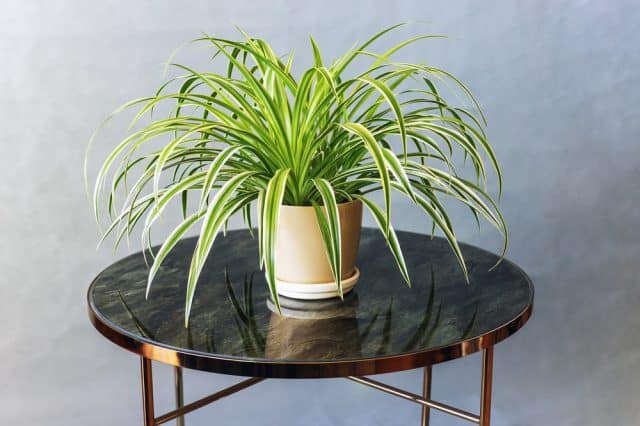
Overview: Known for its arching, striped leaves and small white flowers, the spider plant is both decorative and beneficial for indoor environments.
Care Tips:
- Light: Prefers bright, indirect light but can tolerate low-light conditions.
- Water: Keep the soil slightly moist; avoid waterlogging.
- Benefits: Effective in removing indoor pollutants.
7. Monstera (Monstera deliciosa)
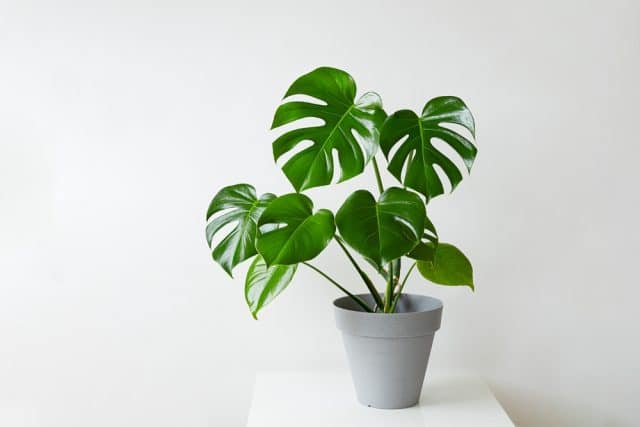
Overview: Also known as the Swiss cheese plant, monstera is recognized for its large, perforated leaves, adding a tropical vibe to interiors.
Care Tips:
- Light: Thrives in bright, indirect light.
- Water: Water when the top inch of soil is dry.
- Benefits: Enhances indoor aesthetics with its unique foliage.
8. Rubber Plant (Ficus elastica)
Overview: Featuring broad, glossy leaves, the rubber plant is both attractive and easy to care for, making it a staple in many homes.
Care Tips:
- Light: Prefers bright, indirect light.
- Water: Keep the soil moist during the growing season; reduce watering in winter.
- Benefits: Known for its air-purifying properties.
9. Boston Fern (Nephrolepis exaltata)
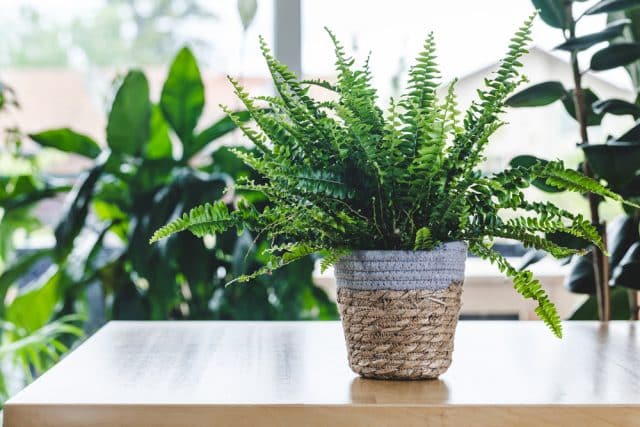
Overview: With its lush, arching fronds, the Boston fern adds a touch of greenery and elegance to indoor spaces.
Care Tips:
- Light: Prefers bright, indirect light.
- Water: Keep the soil consistently moist; appreciates high humidity.
- Benefits: Excellent for humidifying indoor air.
10. Chinese Evergreen (Aglaonema)
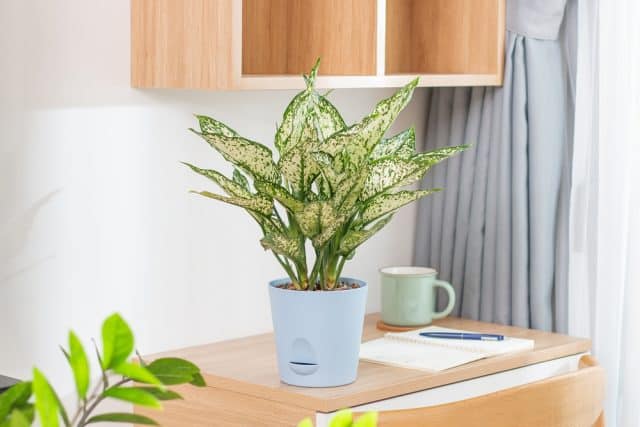
Overview: Known for its smooth, variegated leaves, the Chinese evergreen is a hardy plant that thrives in various indoor conditions.
Care Tips:
- Light: Prefers low to bright indirect light.
- Water: Water when the top inch of soil is dry. Avoid overwatering.
- Benefits: Excellent air purifier, filtering toxins from indoor air.
Final Thoughts
Indoor plants do more than just enhance your home’s aesthetics—they improve air quality, boost mood, and bring a sense of tranquility. Whether you’re a seasoned plant enthusiast or a beginner looking for low-maintenance options, this list of the top 10 indoor plants for 2025 offers something for everyone.
By selecting the right plant for your home’s lighting and maintenance conditions, you can create a beautiful, healthy indoor environment. So, why not bring some greenery into your space today?
FAQs
1. What is the easiest indoor plant to take care of?
The ZZ plant and snake plant are among the easiest indoor plants to care for. They thrive in low light, require minimal watering, and are highly resilient.
2. Which indoor plants improve air quality the most?
NASA’s Clean Air Study highlights peace lilies, spider plants, and snake plants as some of the best air-purifying indoor plants, removing toxins like formaldehyde and benzene.
3. What are the best indoor plants for low-light conditions?
If you have limited sunlight, opt for ZZ plants, pothos, peace lilies, or snake plants, as they thrive in low-light environments.
4. How often should I water my indoor plants?
Watering frequency varies by plant type, but most indoor plants should be watered when the top inch of soil is dry. Overwatering is a common mistake—ensure proper drainage.
5. Are indoor plants safe for pets?
Not all indoor plants are pet-friendly. Spider plants, Boston ferns, and Areca palms are safe for pets, while pothos, peace lilies, and fiddle leaf figs can be toxic if ingested.