
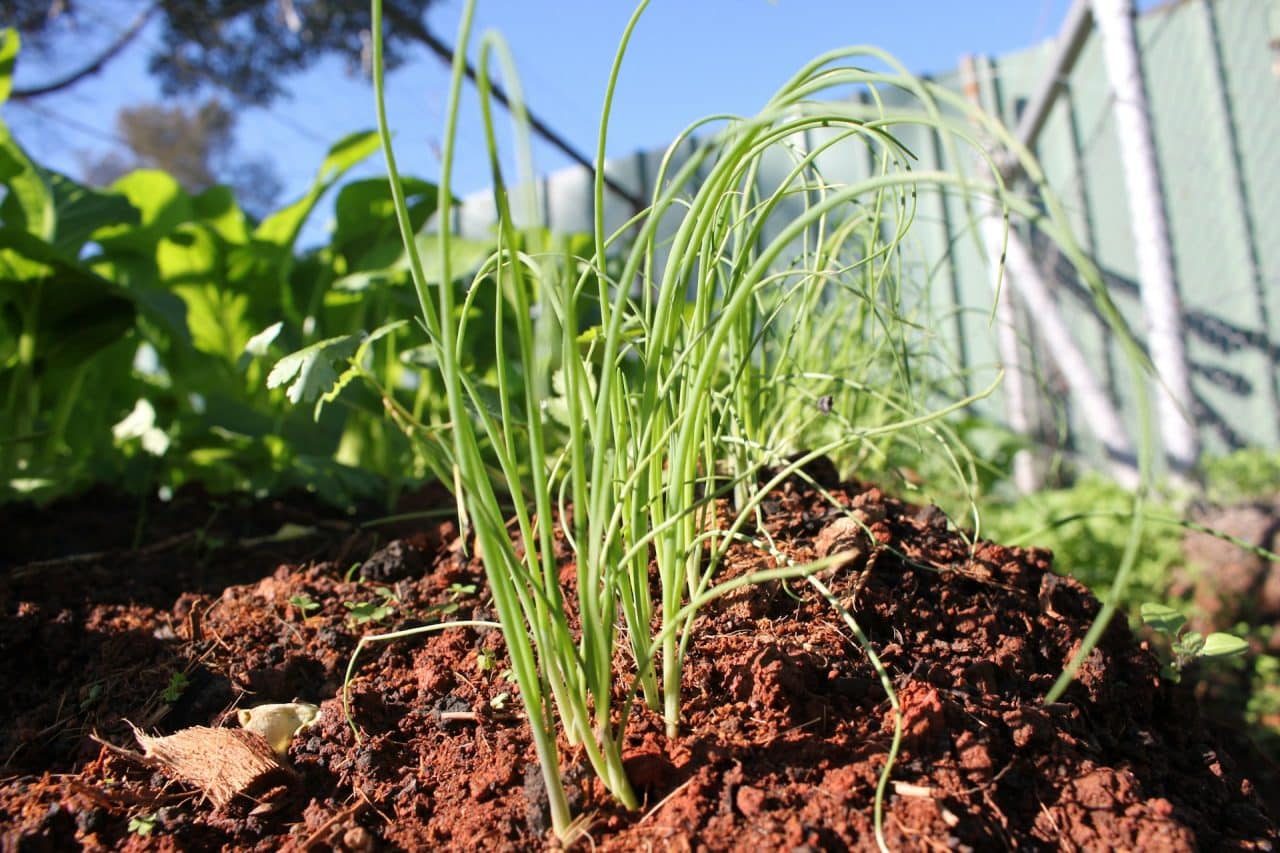
Gardening on Northern Beaches offers a unique experience surrounded by stunning coastal beauty. The climate and soil conditions here present a special set of challenges for garden enthusiasts. Choosing the right plants that can withstand salty breezes, sandy soils, and occasional droughts is crucial for creating a vibrant and enduring landscape.
Native plants are the perfect choice for gardens in this region. These plants are well-adapted to the local environment, requiring less maintenance and water, while supporting local wildlife. Embracing these native species not only enhances the natural beauty of your outdoor space but also contributes to a more sustainable ecosystem.
Understanding the needs of coastal-tolerant plants can transform your garden into a thriving haven. By selecting the right mix of colour, texture, and form, you can design a beautiful space that stands up to the elements. With thoughtful planning and the right plant choices, your Northern Beaches garden can become a flourishing oasis you’ll be proud to share.
Understanding the Coastal Ecosystem
Northern Beaches boasts a beautiful coastal climate that is perfect for those who love sun and sea breezes. The region generally enjoys mild winters and warm summers, with a salty air that is a hallmark of the coast. However, while the climate is lovely, it does create some challenges for gardeners. The winds can be quite strong, and the salt from the sea can cause some plants to struggle.
The soil in this area can vary, but it’s often sandy and drains quickly. This means that while it doesn’t hold water well, which is great for preventing waterlogging, it can result in nutrients leaching away more easily. For gardeners, this means they must effectively manage soil quality and ensure plants receive the nutrients they need.
Selecting native plants is crucial for a thriving coastal garden. Native plants are adapted to the local climate and soil conditions and usually require less water and fewer nutrients to thrive. They support local biodiversity by providing habitat and food for native wildlife. By choosing native species, you create a resilient and sustainable garden that not only looks good but also promotes environmental health.
Top Native Plants for Northern Beaches
Native Australian plants have evolved over millions of years to thrive in varied conditions. They provide the perfect fit for Northern Beaches gardens, ensuring the landscape can withstand harsh coastal elements. These plants are low-maintenance and often drought-tolerant, making them an ideal choice for busy homeowners.
Here is a list of popular native plants and their benefits:
- Banksia: Known for their distinctive flowers and ability to attract birds, these shrubs are tough and versatile.
- Grevillea: These shrubs produce vibrant flowers and provide nectar for local wildlife.
- Wattle (Acacia): Recognised by their golden blooms, wattles are fast-growing and add brightness to any garden.
- Lomandra: With their strappy leaves, these plants are perfect for ground cover and erosion control.
When growing these plants, keep a few tips in mind. Ensure they are planted in well-draining soil to prevent root rot. Regular pruning can help maintain their shape and encourage new growth. Additionally, using a native plant fertiliser can support their health without disrupting the local ecosystem.
By integrating these hardy and beautiful native plants, your garden can become a haven of biodiversity and a stunning showcase of Australian flora.
Designing with Coastal Tolerant Plants
Designing a garden on the Northern Beaches involves more than just picking pretty plants; it’s about creating a harmonious balance of colour, texture, and form that withstands the coastal elements. Selecting plants that can handle salty air and strong winds is crucial for a thriving garden in this region.
When combining colour, texture, and form, think about how these elements work together. Varieties like Coastal Rosemary with their soft foliage can contrast beautifully with the bold, upright stems of Kangaroo Paw. Use colourful flowers such as those from Grevillea to add vibrant patches that attract local wildlife and bring life to your garden. Mix textures by pairing spiky grass-like plants, such as Lomandra, with the smooth leaves of Pigface to create visual interest.
Creating wind and salt-resistant arrangements means positioning your plants strategically. Use hardy shrubs as a natural windbreak to protect more delicate species from strong gusts. Group plants with similar needs together to help them flourish under similar care conditions. Raised beds and retaining walls can also be used to create microclimates that shield plants from harsh winds and salt exposure.
Consider these examples of effective garden designs:
- Layered Planting: Taller shrubs provide wind protection while shorter, flowering plants fill the lower levels.
- Mixed Texture Beds: Combine grasses, shrubs, and flowering plants for a layered, textured look that maximises space and visual appeal.
Sustainable Gardening Practices
Sustainable gardening practices are essential for curating a lush, healthy garden on the Northern Beaches while also caring for the environment. One crucial aspect is water conservation. Given the sandy nature of the soil, it’s important to make every drop of water count. Using drip irrigation systems or soaker hoses can effectively deliver water right to the roots, minimising waste.
Incorporating organic materials and mulching can drastically improve soil quality. Using organic compost not only enriches the soil but also promotes a healthy ecosystem within your garden. Mulching helps retain soil moisture, reduces the need for frequent watering, and protects plant roots by keeping the soil temperature stable.
Another sustainable practice is the use of companion planting and fostering biodiversity. By strategically planting varieties that benefit one another, you can naturally control pests and improve growth. For instance, pairing flowering plants with vegetables or herbs can attract beneficial insects that aid in pollination.
Implementing these sustainable practices creates a thriving garden that contributes to the health of your local ecosystem, all while keeping maintenance manageable and eco-friendly.
Conclusion
A successful coastal garden on the Northern Beaches blends the beauty of native plants with thoughtful design and sustainable practices. By choosing resilient coastal-friendly plants, you harness the natural charm of the area to create a vibrant landscape that stands the test of time. With careful planning in plant selection and garden design, along with eco-conscious gardening methods, your garden will become a beautiful sanctuary that supports the local environment.
Ready to transform your Northern Beaches garden into a stunning coastal retreat? Mother Nature’s Landscapes is here to help you every step of the way. Our landscaping services can assist you with everything from selecting the perfect plants to implementing sustainable gardening practices. Let us help you create a garden that is not only beautiful but also friendly to the environment.