
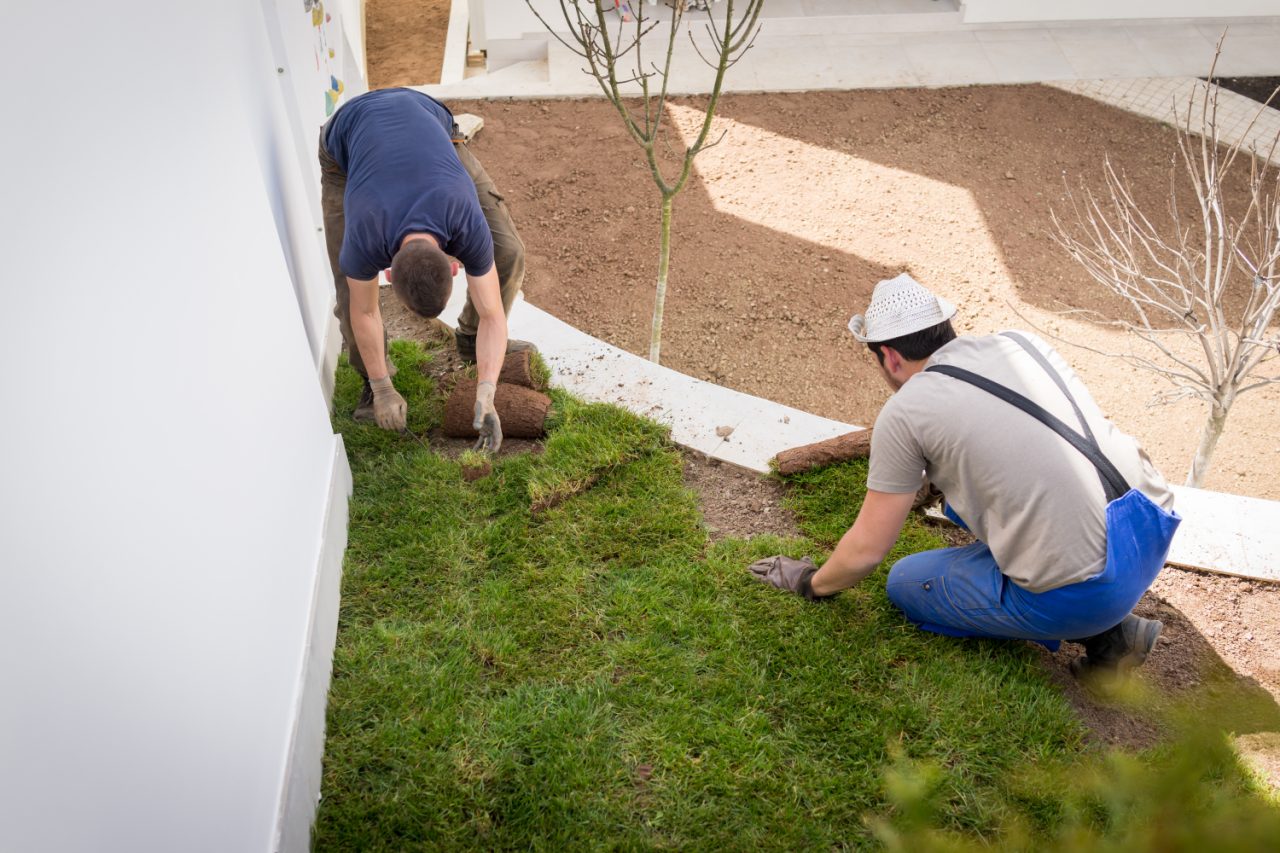
Creating a beautiful landscape involves more than planting flowers and mowing the lawn. It requires careful planning, an understanding of soil, adequate water management, and regular maintenance. Without these, you might have more work than a pleasure garden.
By avoiding these common landscaping mistakes, you can create a garden that is not only beautiful but also functional and easy to maintain.
Poor Planning and Design
Importance of a well-thought-out plan
A well-thought-out plan is the foundation of a beautiful and functional garden. Without proper planning, you might have plants that don’t thrive, poorly utilised space, and potential drainage issues. A detailed plan helps you visualise the final result and makes the execution smoother. It also allows you to consider factors like plant placement, lighting, and spacing, ensuring all garden elements harmonise harmoniously.
Common design mistakes
One common mistake is not considering the mature size of plants. What looks like a perfect spot for a sapling can become overcrowded once the tree matures. Another error is neglecting the garden’s sunlight patterns. Planting sun-loving plants in the shade or shade-tolerant plants in full sun can lead to poor growth or plant failure. Ignoring the need for pathways or access areas can also result in a difficult-to-navigate garden.
Tips for creating a successful landscape layout
Start with a rough sketch of your garden to create a successful layout. Mark out areas for different activities, such as seating, pathways, and planting beds. Group plants with similar water and sunlight needs together. This makes maintenance more straightforward and ensures that your plants thrive. Incorporate focal points like a fountain or a statue to draw attention and interest. Also, consider the seasons—plant a mix of evergreen and deciduous plants to maintain year-round appeal. Lastly, always leave space for plants to grow and mature.
Ignoring Soil Health
Understanding soil types and their importance
Soil health is crucial for the success of your plants. Different plants thrive in various types of soil. Some prefer sandy soil with good drainage, while others need clay soil that retains moisture well. Understanding your soil type helps you select plants more likely to succeed in your garden. You can quickly test your soil by taking a small sample and checking its texture and composition.
Mistakes in soil preparation
A common mistake is failing to prepare the soil properly before planting. Simply digging a hole and placing a plant in it isn’t enough. Plants might struggle to establish roots and access nutrients without proper soil preparation. Another mistake is not enriching the soil with organic matter. Soil needs to be fertile and well-draining to support healthy plant growth.
How to improve soil health for better plant growth
To improve soil health, add compost or well-decomposed manure to the soil. This enhances its fertility and texture. Regularly testing your soil helps you understand its pH level and nutrient content, allowing you to amend it as needed. Use mulch to maintain moisture, reduce weeds, and add organic matter as it decomposes. Rotate your plants seasonally to prevent the depletion of specific nutrients in one area. Lastly, avoid compacting the soil by minimising foot traffic in planting areas. Healthy soil is the cornerstone of a thriving garden, ensuring plants have the nutrients and conditions they need to grow.
Overlooking Water Management
Common irrigation errors
One common irrigation mistake is overwatering, leading to waterlogged soil and root rot. Many people think more water is better for plants, but it often does more harm than good. Underwatering is another frequent error, leaving plants dehydrated and stressed. Using the wrong irrigation system for your garden’s needs can also be problematic. Sprinklers, for instance, might not be suitable for all plant types, as some plants prefer drip irrigation for more focused, controlled watering.
Importance of proper drainage
Proper drainage prevents standing water, which can suffocate plant roots and promote fungal diseases. Without adequate drainage, even the best irrigation practices can fail. Drainage issues often arise in areas with compacted soil or poor soil structure. Good drainage protects your plants from water-related problems and encourages healthy root development.
Efficient water management tips
To manage water efficiently, install a drip irrigation system that delivers water directly to the plant roots, reducing waste. Water your garden in the early morning or late afternoon to minimise evaporation. Mix organic matter like compost to improve soil structure and ensure good drainage. Consider grouping plants with similar water needs together so you don’t over- or underwater different areas. Regularly check your irrigation system for leaks or clogs to maintain its efficiency.
Neglecting Regular Maintenance
Consequences of poor maintenance
Neglecting regular maintenance can lead to numerous problems, including overgrown plants, weed infestations, and pest issues. Over time, a lack of upkeep can make your garden unmanageable, making it harder to restore order. Poor maintenance also affects plant health, as dead or diseased plants can spread issues to healthy ones.
Essential tasks for garden upkeep
Essential tasks for keeping your garden in top shape include weeding, pruning, and fertilising. Weeding prevents unwanted plants from competing with garden plants for nutrients and water. Pruning eliminates dead or overgrown branches, promoting healthy growth and improving plant appearance. Fertilising replenishes soil nutrients, ensuring plants get the nourishment they need.
Tips for a maintenance schedule that works
Create a weekly, monthly, and seasonal maintenance schedule to make garden upkeep manageable. Weekly tasks can include weeding and checking irrigation systems. Monthly tasks involve pruning and adding mulch. Seasonal tasks can consist of fertilising and planting new flowers or vegetables. Keeping a calendar or planner with these tasks can help you stay organised and ensure nothing is overlooked.
Conclusion
Landscaping can transform any outdoor space into a beautiful and functional area but requires planning knowledge and regular care. You can create and maintain a stunning garden by avoiding common mistakes like poor planning, neglecting soil health, overlooking water management, and skipping regular maintenance. Pay attention to each aspect, from the initial design to the routine upkeep, to maximise your landscaping efforts.
If you’re ready to overcome these landscaping challenges and create the garden of your dreams, reach out to Mother Nature’s Landscapes. Our expert team on the Northern Beaches is here to help you with landscaping in Mona Vale. Contact us today, and let’s get started transforming your outdoor space!