
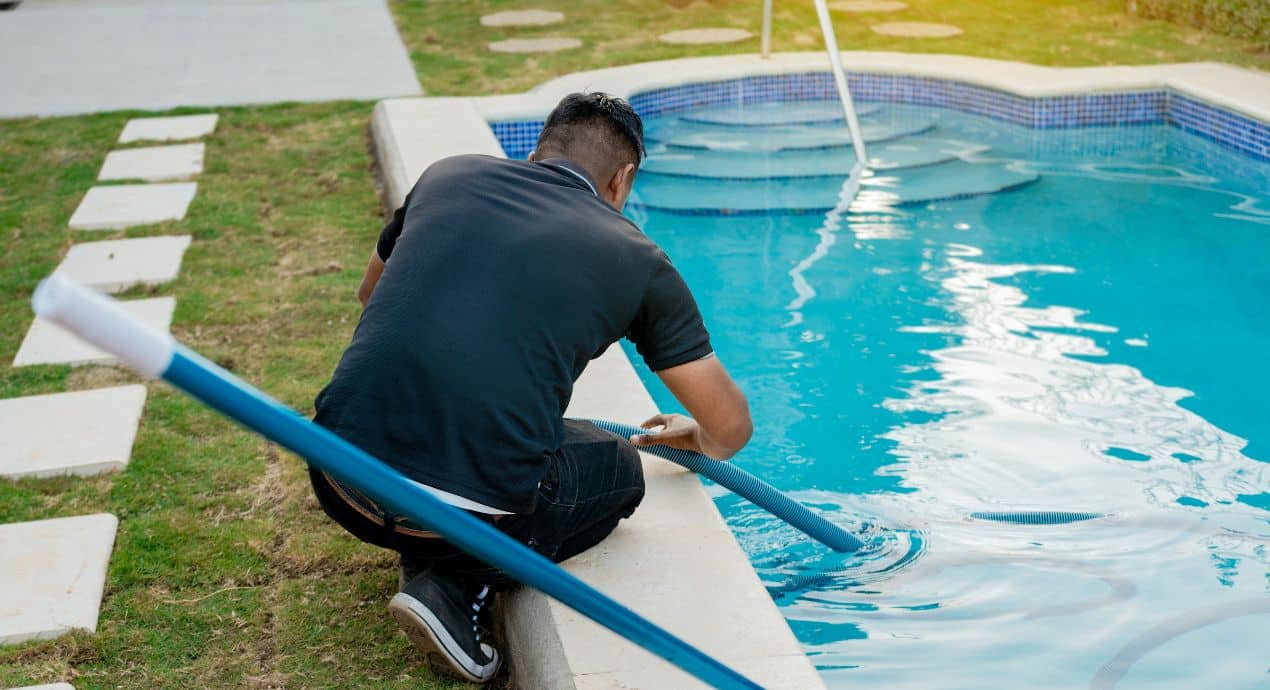
Owning a pristine pool on Sydney’s leafy North Shore can feel like winning a daily lottery—until it’s maintenance time. You might picture yourself sipping cocktails by turquoise water, but unless the pool cleaning gremlins have struck, someone has to skim leaves and balance chlorine. The big question many North Shore homeowners face is: Should I hire a pool service or tackle it myself?
Is DIY cheaper, or will it cost more in the long run? Personally, I’ve had my fair share of poolside debates (and a brown algae fiasco once) to know there’s more than just dollar signs at stake. Let’s break down both sides so you can make the clearest choice—and maybe even enjoy more happy hours in that pool.
Professional North Shore Pool Services: Convenience and Expertise
Calling in pool service professionals on the North Shore means swapping your weekend work boots for flip-flops. For a set fee (often around $55–$120 per visit) a technician will handle skimming, vacuuming, chemical tests and adjustments. They come with commercial-grade equipment and know-how to catch problems early.
As one expert blog notes, pool pros bring “wealth of knowledge and experience” that saves time and keeps water safely balanced. They follow strict guidelines (like “always add chemical to water, not vice versa”) and can spot a leaking pump or filter issue before it wrecks your long weekend plans.
With professionals, you also tap into insider know-how. In fact, an ABC news report warned that amateurs mixing chemicals improperly have caused severe burns and even created toxic gas.
For example, a plumber-turned-pool-worker in WA saw players caught mixing acids create lethal chlorine gas, “It’s too easy in a shed to mix chemicals without knowing what you’re doing,” he said, strongly recommending people seek professional advice. In short, the peace of mind that “the pros have this covered” can be priceless—especially when it comes to safety.

DIY Pool Care: Savings (and Sweat)
On the flip side, DIY pool maintenance gives you control (and maybe a bit of exercise). You buy your own testing kit, net and chemicals, and do the weekly chores yourself. The immediate savings are obvious: you aren’t paying hourly labor. For example, if you clear leaves yourself for 10 minutes a day, that’s 50 minutes a week of savings.
As one Aussie DIY enthusiast points out, “if cleaning your pool only takes a couple of minutes, what’s the point of hiring someone at $50–$70 an hour?”. Small tasks like skimming the surface, emptying baskets and wiping debris are straightforward enough. Many pool owners enjoy the satisfaction of a job well-done when the water turns crystal-clear on their watch.
There’s also flexibility. You can adjust your schedule (and dosing) to suit your pool’s usage or the season. Buying chemicals in bulk can cut costs – some DIYers report that stocking up on chlorine tablets and pH balancers is cheaper than paying a premium through a service plan. And let’s be honest: if you’re handy with a smartphone, you can even get automated reminders on when to brush or test your pool.
Crunching the Numbers: Who Saves More?
The truth is cost savings can swing either way. Hiring help means a clear invoice each visit, but pay-per-service can add up. Jim’s Pool Care estimates a typical cleaning service (excl. chemicals) at about $55–$120 per session.
If you have a weekly clean, that’s roughly $220–$480 per month. Plus, professional upkeep often includes minor adjustments, so no surprise pump break-down bills. On chemicals, both routes cost something: expect $30–$100 per month on chlorine, pH adjusters and algaecide whether you do it or pay someone to do it.
Doing it yourself means buying gear (nets, vacuums, test strips) — maybe a few hundred dollars initially — plus that $30–$100 monthly on chemicals. But you save on labor. If your time is precious, factor in what you’d earn per hour: at $50 an hour for a nice day out, even 4 hours a month could cost $200 in opportunity (just under a professional clean’s price).
We can summarize the trade-offs:
| Factor | DIY | Professional Service |
|---|---|---|
| Out-of-pocket Cost | Pay for equipment and chemicals (∼$30–$100/mo); no labor charge. | ~ $55–$120 per visit (+chemicals if billed separately). |
| Time & Effort | Requires regular personal time (hours/week); you do all the legwork. | Saves your weekends; service on your schedule (weekly/fortnightly/monthly). |
| Cleaning Quality | Depends on your skill; novice errors (imbalanced chemicals or missed spots) risk problems. | Consistent professional-grade cleaning; experts quickly spot issues. |
| Safety | You handle chemicals (risk of burns, toxic gas if mis-mixed). | Technicians trained in chemical safety; insured for accidents. |
| Convenience | Flexible but can be a chore; downtime if you forget or get too busy. | Turnkey solution; plus, seasonal tasks (opening/closing pool) often included. |
Even a table of figures can lie if we don’t consider hidden factors. For instance, a large pool might require a pro simply for the grunt work. A DIY root canal analogy: sometimes it looks cheaper to do it yourself, but you wouldn’t discount the dentist for a toothache unless confident!
Safety & Quality: Protecting Your Oasis
Think of your pool as a delicate ecosystem. Getting the water balance right is key. Professionals test pH and sanitizer levels meticulously, following best practices. In NSW, guidelines for public pools stress daily tests of chlorine and pH (though private pools aren’t inspected like public ones, it’s still wise). A slight imbalance can cloud water or corrode tiles.
Even beyond numbers, there’s pure safety. That ABC story wasn’t unique—each summer the fire brigade warns about DIY chemical accidents. Jeffrey Davis from DFES notes “pool and spa chemicals are the majority of what we see” in chemical incidents.
In one case, a West Australian mixed the wrong combo and released chlorine gas – “the wrong mixtures can also cause fire or even explosions,” warns the report. Merely adding acid to chlorine (instead of water) turned a backyard chore into a medical emergency. Professionals, by contrast, handle these toxic reagents every day and know the golden rule: “add chemical to water, never water to chemical”.
Quality also means thoroughness. Imagine snails hiding on a wall or an old filter glitch brewing bacteria. A seasoned pool technician not only scrubs surfaces but inspects pumps, filters and heaters for wear. They’ll spot early algae bloom (that dreaded green pool) or fix a sneaky leak. Skipping checks can turn small fixes into big bills. So while a DIY effort might get you swimming-ready short term, experts can extend your pool’s life and keep it resort-ready year after year.
On the North Shore, summer vibes are serious business. A sparkling pool can be a daily luxury, but keeping it that way takes vigilance. A DIY cleaner can definitely manage weekly skims and “still looks good” quick fixes, especially if your pool usage is light. But even a few days of improper balance can allow algae to bloom or scale to form on the tiles.
As industry blogs note, in the short term DIY saves cash, yet mistakes often lead to “higher costs down the line”. Meanwhile, professionals might seem pricier up front, but they excel at preventive care — catching a pump issue early, or fine-tuning stabilizer levels to avoid sun burnout.
Who’s It For? Picking the Right Approach
So, which saves you more? That depends on your clock and comfort zone. If you’re a busy North Shore professional with weekends spent ferrying kids to soccer, a pro service might fit seamlessly into your life—ensuring effortless relaxation by the pool. And if you lack confidence with pool chemicals or hate the idea of Monday-morning headaches from chlorine fumes, leaving it to an expert may be worth every cent.
On the other hand, if you enjoy a project and aren’t deterred by a bit of chemistry, doing some of the work yourself can trim expenses. Try a hybrid approach: skim and brush weekly as a personal touch, but schedule a quarterly pro tune-up.
You’ll stay involved (and save about $100–$200 a month) while catching the big stuff through professional eyes. Many North Shore homeowners find their sweet spot by doing the easy tasks themselves and calling in experts for filter cleans, pump checks or that autumn acid wash.
Dive or Decline?
Both DIY and North Shore pool services have clear benefits. Doing it yourself means lower cash outflow and the gratification of craft, but it demands time and smarts. Hiring professionals costs more upfront, yet gifts you expertise, consistency and safety.
As experts advise, weigh the value of your time and peace of mind. In some weeks, mixing chemicals and vacuuming might be your zen workout – perfectly fine. In others, booking a scheduled service (fortnightly or monthly) means more beach trips and barbecues, worry-free.
Think of it this way: a sparkling pool is a stage for summer memories. If juggling work and kids leaves you no bandwidth to be a pool chemist, why not pay the small price for a season of leisure and laughter? Just remember, whichever path you take, consistent maintenance is key. An untended pool is an algaebreeding petri dish waiting to happen, and no savings will feel good when all that hard-earned water turns pea-green.
Ultimately, a blend of both often wins the race. Stay hands-on for quick clean-ups and enjoy learning the ropes, but enlist professional help for the heavy lifts and safety checks. This way, you get the best of North Shore pool services and the satisfaction of a DIY touch — and that’s one poolside win-win.
Ready to get your pool on point? Next weekend, take 20 minutes to test your water and brush the surfaces. Then, consider scheduling a pro evaluation. Your future self (and your swimsuit!) will thank you.
FAQ
Does hiring a pool service really save money?
It depends on how you value time and risk. A professional service costs around $55–$120 per visit (plus chemicals), but saves you hours of labor and the chance of DIY mistakes. Over time, spotting issues early can prevent expensive repairs. If your weekends are valuable, paying for convenience can actually save money (by avoiding errors that DIYers often face).
What tasks can I do myself safely?
You can easily handle daily skimming, emptying skimmer baskets, and brushing pool walls. Even monitoring pH and chlorine levels with home test strips is doable. Many pool owners treat these as personal routine tasks. However, always follow safety tips like adding chemicals to water, never the other way around.
How often should a pool be cleaned/serviced?
Under normal conditions, weekly to fortnightly maintenance is recommended. Leaves, kids and Aussie sun put stress on water quality fast. In North Shore’s temperate climate, aim to vacuum and balance chemicals weekly, and brush walls at least monthly. Professionals often offer service plans that visit on a weekly, fortnightly or monthly basis to match your needs.
What are the dangers of DIY chemical use?
Pool chemicals (chlorine, pH adjusters, algaecides) can cause skin burns, respiratory issues, or worse if mixed wrong. ABC News reported accidents from mixing acid and chlorine at home. Always store chemicals safely and read labels. If unsure, consult a pool store or professional—mishandling can even produce deadly gas.
Is professional maintenance worth the cost?
Many consider it a worthy investment. Besides convenience, professionals are insured and bring equipment you might not have. They can handle complex repairs (pump problems, heater issues) and ensure your pool meets safety standards. If proper pool care feels overwhelming, a professional’s expertise not only saves time but also guards your investment (since a well-kept pool holds property value). Ultimately, pro service is about trading dollars for peace of mind and expertise.